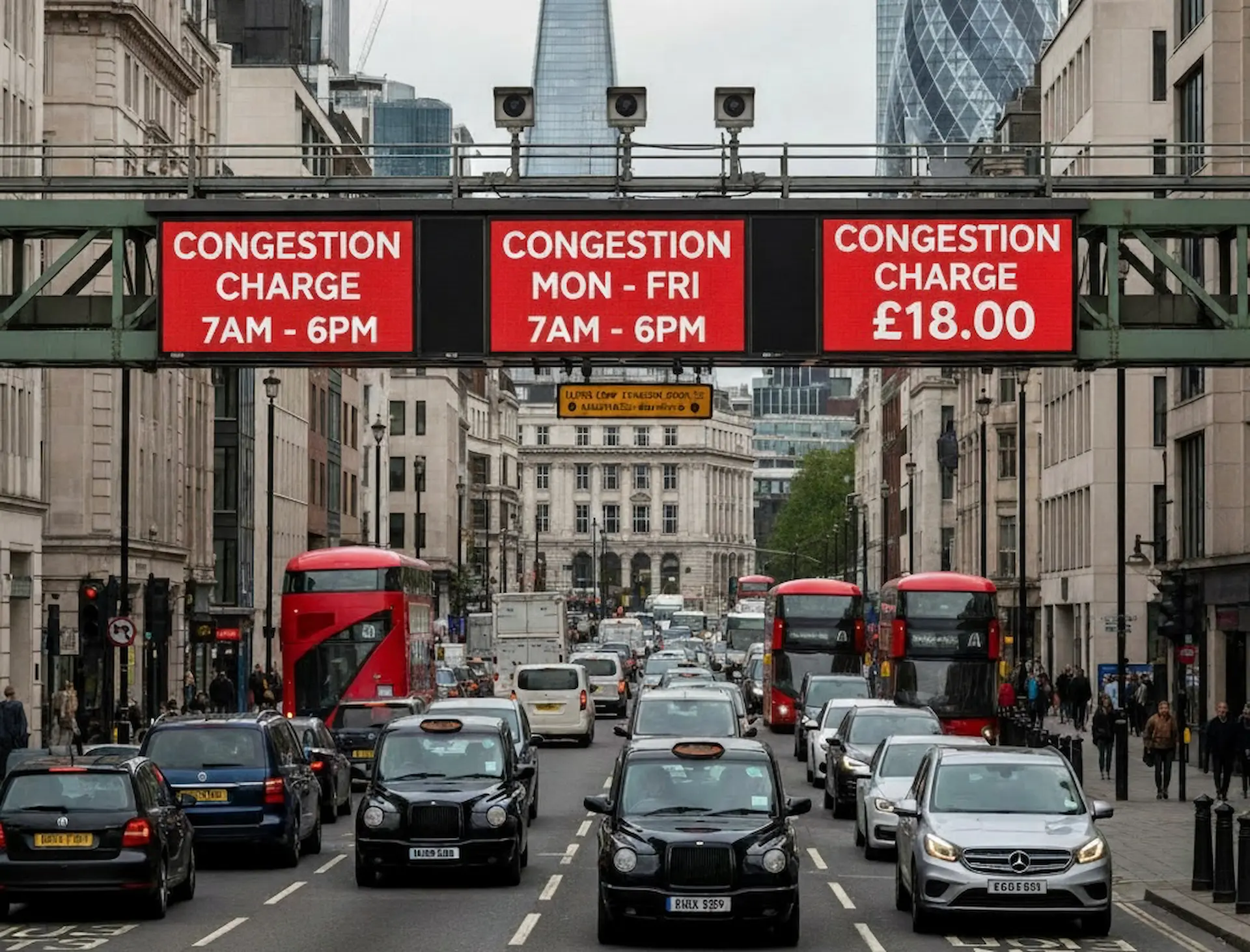

One of Europe’s coldest countries house the most electric vehicles
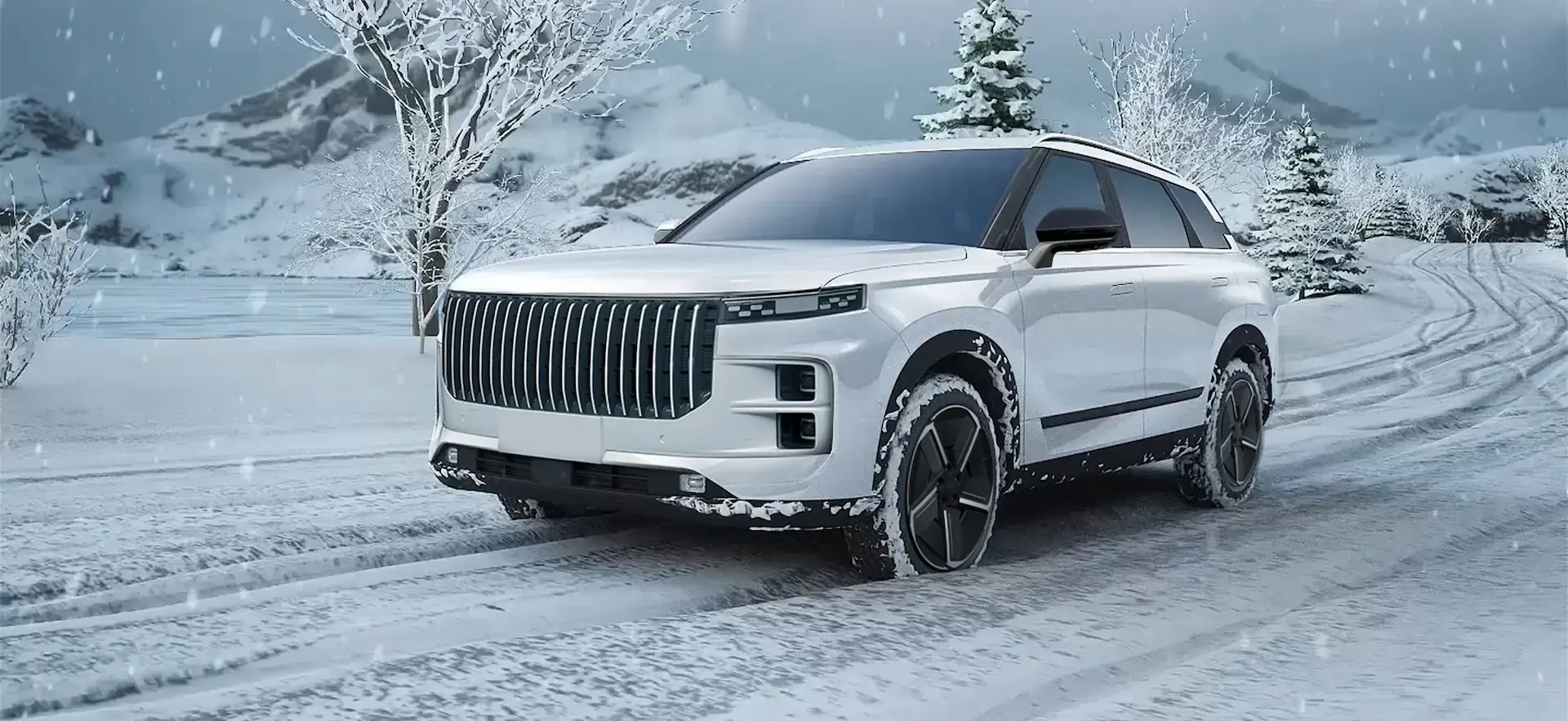
Take Norway, for example. In 2025, a record-breaking 95.9% of all new vehicle registrations were electric, and that number climbed to over 97% in November and December. Today, more than 30% of all passenger cars on Norwegian roads are electric, making Norway a global leader in EV adoption. And here’s the key point: Norway regularly sees temperatures drop below -20°C, making it one of Europe’s coldest countries, yet it also has the highest percentage of electric cars.
Why Electric Range is reduced in winter
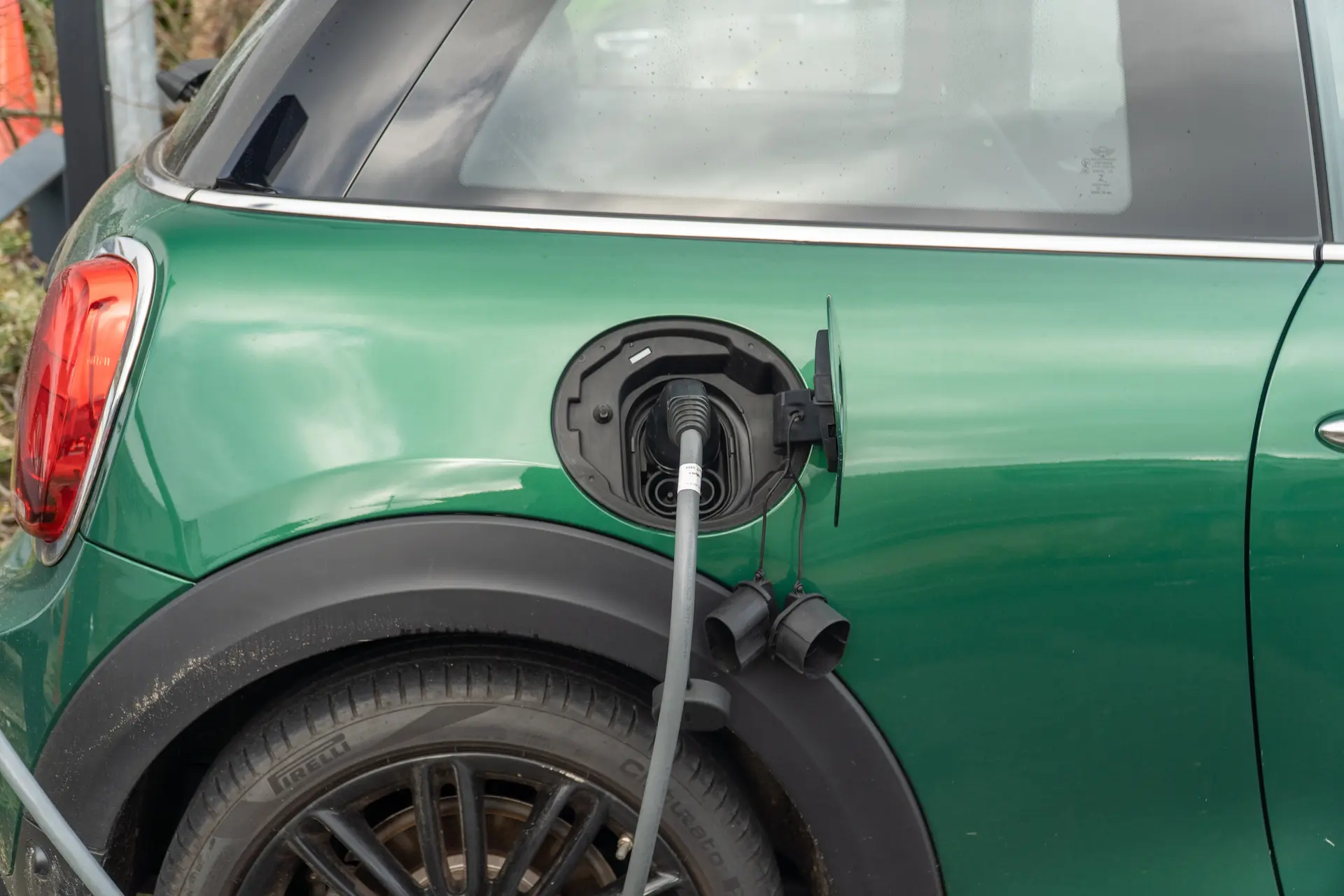
Yes, it’s true that EVs usually get more range in summer than in winter. Batteries do not perform quite as efficiently in cold weather, and using cabin heating, heated seats, and heated steering wheels draws energy from the battery, so your winter range will be lower than in warmer months. That part is simply down to physics.

Electric vehicles have great advantages in the winter that EV drives swear by
But EVs come with some great advantages in winter. Most electric vehicles allow you to pre-heat the interior before you even get in, usually through the vehicle’s app, if the car is plugged in and charging. This means stepping into a warm car on icy mornings and often avoiding the need to scrape frost or ice off your windscreen and windows, which is not only convenient but also safer.
What does regenerative braking do?
Electric vehicles also use regenerative braking all year round, helping to recharge the battery while you slow down. And it is worth remembering that winter efficiency is not just an EV issue. Traditional petrol and diesel cars also use more fuel in cold weather.

Verdict:
Yes, range can drop in winter, but electric vehicles absolutely do work in cold conditions and still offer plenty of seasonal benefits. The idea that EVs cannot handle winter just does not match the real-world evidence, especially in countries like Norway.