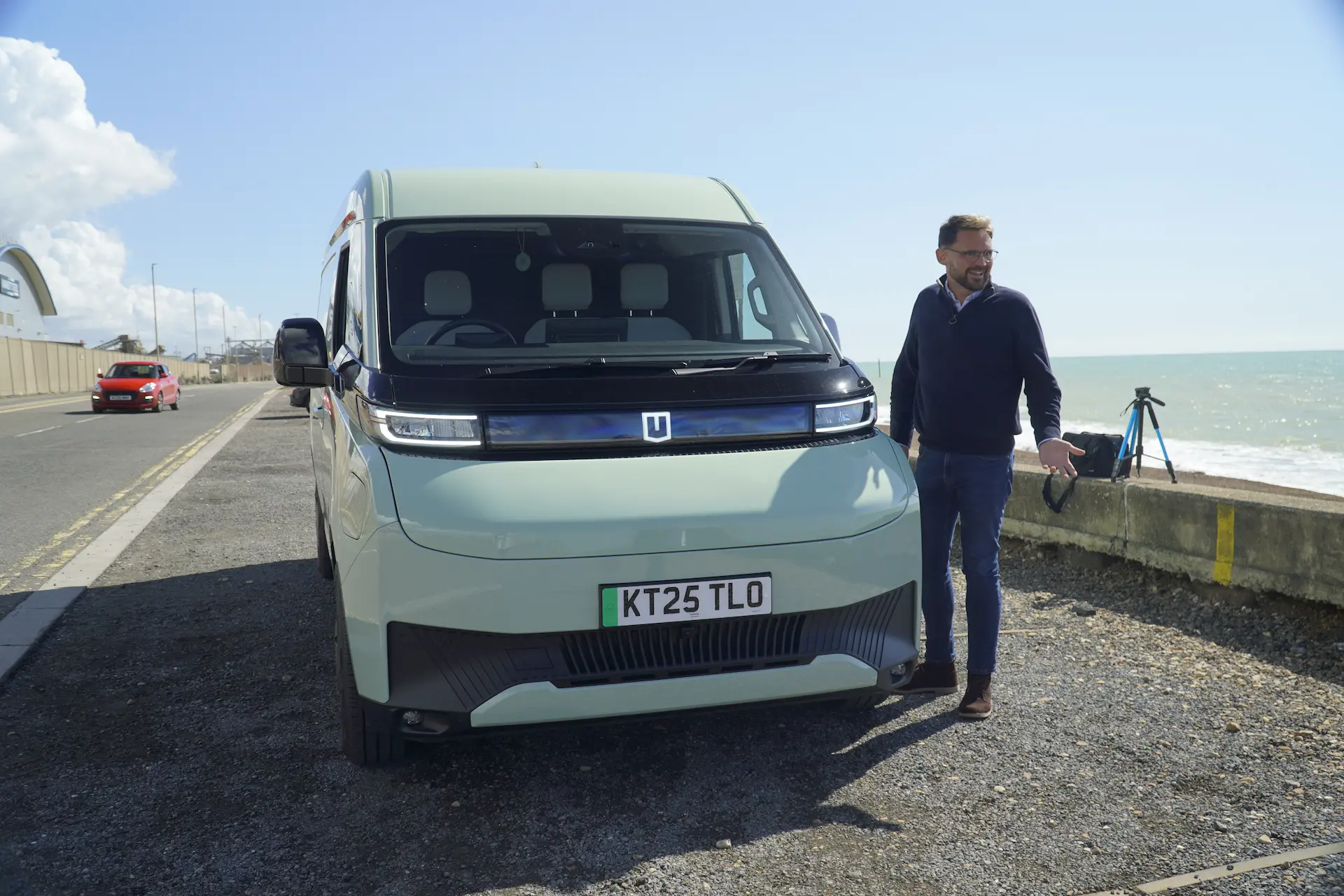
What is Van Leasing?
Van leasing is an effective way for businesses to manage their transportation needs. It involves renting a van for a set period rather than purchasing it outright.
This option offers flexibility and many benefits, especially for businesses with evolving needs. Van leasing typically provides a range of contract lengths and mileage limits.
Leasing companies usually include maintenance and servicing in their contracts. This ensures vans remain reliable and safe. Businesses can focus on their core operations without worrying about vehicle upkeep.
A major advantage of van leasing is access to the latest models and technology. Leasing allows businesses to routinely upgrade their fleet with advanced safety features and technology.
To better understand van leasing, consider these key aspects:
- Contract terms: usually between 1-5 years
- Mileage limits: tailored to business usage
- Vehicle models: wide selection of the latest vans
- Included services: maintenance and repair packages
Businesses can also enjoy simplified financial planning. Leasing provides predictable monthly payments, which help manage budgets effectively.
In essence, van leasing is a strategic choice for businesses wanting flexibility, modern vehicles, and operational efficiency. It's a viable alternative to purchasing, with a host of benefits tailored to various business needs.
How Van Leasing Works for Businesses
Van leasing is a straightforward process that aligns well with business operations. It starts with selecting a leasing company that offers the desired van models.
Once a suitable leasing provider is chosen, businesses can review various leasing options available. These options typically depend on contract length, mileage, and specific business requirements.
Leasing agreements outline the terms, including monthly fees and any additional services like maintenance. This contract transparency ensures businesses understand their commitments clearly.
Before finalising the lease, a detailed analysis of usage needs is crucial. This helps businesses choose the right mileage and contract terms, preventing unexpected charges.
Typically, businesses benefit from the maintenance services included in the lease. These services cover regular servicing, which reduces unexpected breakdowns.
Furthermore, leasing allows for easy fleet expansion as business needs grow. Leasing companies can offer flexible terms to accommodate these changes.
In summary, van leasing involves these key steps:
- Selecting a leasing provider that matches business needs
- Reviewing contract terms and mileage options
- Analysing business requirements for van usage
- Signing a leasing agreement with clear terms
- Utilising included maintenance and support services
Ultimately, leasing a van can be a seamless process that supports business growth. It provides flexibility and predictable expenses, aiding financial planning. Thus, van leasing stands as a beneficial option for businesses looking to enhance their transportation management efficiently.
Key Van Leasing Benefits for Businesses
Van leasing offers numerous advantages for businesses of all sizes. These benefits extend from financial aspects to operational efficiencies.
- One primary advantage is the ability to conserve capital. Businesses do not need a large initial outlay to obtain vehicles.
- Predictable monthly payments streamline budgeting.
- This consistency helps businesses manage their finances more effectively.
- Another perk is access to the latest van models and technology. This can boost efficiency and improve employee satisfaction.
- Leasing agreements often include maintenance and repair services. This feature minimises downtime and ensures vehicle reliability.
- Additionally, businesses can enjoy flexibility in fleet management. Leasing contracts can adapt to varying business needs.
- Residual value risk lies with the leasing company, not the business. Businesses avoid depreciation costs inherent in ownership.
Through van leasing, businesses can enhance operational efficiency while maintaining financial stability. This option supports business growth and adaptability in a competitive market.
Lower Upfront Costs and Predictable Payments
Leasing a van reduces financial strain on businesses. Unlike purchasing, leasing requires a smaller initial deposit.
- These lower upfront costs help businesses allocate funds elsewhere. It can lead to improved investment in other critical areas.
- Another significant benefit is predictable monthly payments.
- Leasing agreements establish clear terms that simplify financial planning.
- This predictability aids in budgeting and cash flow management. Companies can plan their finances more efficiently without unexpected expenses.
- In summary, the financial benefits of leasing include:
- Lower upfront costs compared to buying
- Predictable monthly payment terms
- Better cash flow management
- More funds available for business growth
These advantages make leasing an attractive option for many businesses.
Access to the Latest Van Models and Technology
Leasing a van opens doors to the latest models and technology. Businesses can always have access to new features and updates.
This access enhances productivity and safety. Newer models typically come with advanced safety features and improved fuel efficiency.
Leasing allows businesses to maintain a modern fleet image. This can positively affect customer perceptions.
Furthermore, van leasing provides:
- The latest safety and technology features
- Improved fuel efficiency in newer models
- A modern fleet image for businesses
With leasing, businesses can keep pace with technological advancements effortlessly.
Maintenance, Repairs, and Support Services
Leasing agreements often include maintenance and repair services. This reduces the operational burden on businesses significantly.
These services ensure that vans remain in top condition. Regular maintenance minimises unexpected breakdowns.
Leasing companies typically offer roadside assistance. Support services ensure help is readily available in case of emergencies.
Key benefits of included services:
- Regular maintenance to ensure vehicle reliability
- Reduced risk of unexpected repair costs
- Access to roadside assistance for added security
Maintenance and support services are significant advantages of van leasing.
Flexibility and Customisation Options
Flexibility is a core feature of van leasing. Businesses can select contract terms that best suit their operational needs.
Leasing offers various mileage and contract length options. This allows businesses to tailor agreements according to usage requirements.
Some leasing companies also offer customisation options. Vans can be configured to meet specific business demands.
Key points of leasing flexibility include:
- Customisable contract lengths and mileage limits
- Vehicle configurations to fit unique business needs
- Adaptability to changing operational demands
This flexibility ensures that businesses can efficiently manage their fleets.
Improved Cash Flow and Capital Management
Leasing enhances cash flow management by spreading costs over time. Businesses avoid large, upfront expenses tied to vehicle ownership.
This provides financial flexibility, allowing allocation of funds to other critical areas. Better cash flow leads to improved business operations and growth.
Tax deductions can also improve financial performance. Lease payments may be tax-deductible, depending on local regulations.
- Better cash flow with spread-out costs
- Financial flexibility for strategic investments
- Potential tax deductions of lease payments
Van leasing supports efficient capital management and financial planning.
Enhanced Business Image and Brand Consistency
A modern fleet positively reflects on a business's image. Leasing ensures access to new, reliable vans, enhancing brand perceptions.
Consistency in fleet vehicles builds brand recognition. Uniform vehicles convey professionalism and reliability to clients.
The use of branded vans can enhance market presence. It provides mobile advertising opportunities as well.
Benefits to business image include:
- Access to modern and reliable vehicles
- Consistent branding with uniform vehicles
- Increased visibility through mobile advertising
These elements can contribute to a stronger brand and better client relations.
No Depreciation Worries or Disposal Hassles
Leasing relieves businesses from depreciation concerns. As the vehicle’s value drops, the leasing company bears the risk.
Upon lease end, businesses return the vehicle, avoiding disposal hassles. This streamlines fleet management significantly.
The leasing company manages resale or disposal. This eliminates the time and effort involved in selling vehicles.
Key points on avoiding depreciation and disposal:
- The leasing company absorbs depreciation loss
- Easy vehicle return process at lease end
- No need to manage vehicle disposal or resale
These advantages make leasing a stress-free option for businesses.
Tax Benefits of Van Leasing for Businesses and the Self-Employed
Van leasing offers various tax advantages that can lead to significant savings. Both businesses and self-employed individuals can benefit from these.
One of the primary tax benefits is the ability to deduct lease payments. These deductions can lower taxable income, resulting in reduced tax liabilities.
Leasing also allows businesses to fully utilise tax allowances. This means more financial resources can be directed towards growth and operations.
Here are some common tax benefits of van leasing:
- Lease payments as deductible expenses
- Full utilisation of tax allowances
Self-employed individuals can especially benefit. Lease expenses can be claimed against income, resulting in tax efficiency.
For company owners, leased vans remain off the balance sheet. This can lead to a more attractive financial position.
In addition, van leasing presents:
- Reduced taxable income
- Improved cash flow from tax savings
These benefits make van leasing a favourable option for those looking to optimise their tax situation.
Tax Deductions and Allowances Explained
Understanding tax deductions and allowances in van leasing is crucial. Lease payments are generally classified as business expenses.
This classification means they can be deducted from taxable profits. By reducing taxable income, companies pay less tax overall.
Allowances vary based on jurisdiction, so local tax laws should be taken into account. Consulting with a tax professional is advisable.
Typical deductions and allowances include:
- Lease payments deducted as business expenses
- Equipment-specific tax allowances
Additionally, the flexibility to adjust lease terms can optimise tax benefits. A tailored lease agreement may enhance financial advantages.
Understanding these elements can maximise the tax benefits van leasing offers.
VAT and Other Tax Considerations
Value-added tax (VAT) is another significant consideration in van leasing. For businesses and self-employed individuals, VAT can often be reclaimed.
Reclaiming VAT improves financial efficiency and cash flow. It can significantly reduce the overall cost of leasing a van.
However, specific rules depend on local tax legislation. It's vital to understand VAT implications for your specific business situation.
These additional tax considerations include:
- VAT reclamation, if applicable
- Compliance with local tax laws
Businesses must also stay informed about changing tax regulations. Being proactive about tax obligations ensures compliance and maximises benefits.
A strategic approach to VAT and tax considerations helps optimise van leasing benefits. Proper planning and consultation with experts ensure businesses take full advantage of available opportunities.
Comparing Van Leasing vs. Buying: Which is Right for Your Business?
Deciding whether to lease or buy a van can significantly impact your business. Each option has its pros and cons that businesses should consider.
Leasing often requires lower upfront costs than purchasing. This can make it more accessible for many companies.
Moreover, leasing offers flexibility in updating the fleet with the latest models.
On the other hand, buying a van gives you full ownership.
Ownership allows freedom in vehicle use without restrictions. However, purchasing involves dealing with depreciation and resale value concerns.
Here are some considerations when choosing between leasing and buying:
- Initial cost differences
- Vehicle upgrade opportunities
- Ownership and flexibility
Understanding your business needs will help in making an informed choice. Consider your financial capacity, vehicle usage patterns, and long-term goals.
A thorough comparison can reveal which option aligns better with your operational strategy.
Pros and Cons of Leasing a Van
Leasing a van offers various benefits that make it attractive to businesses. However, potential downsides also exist.
Pros:
- Lower initial costs
- Access to new vehicle models
- Predictable monthly payments
- Maintenance included in many leases
Cons:
- Mileage restrictions
- No ownership at the lease's end
- Possible penalties for wear and tear
While leasing provides excellent flexibility and cash flow benefits, businesses should account for these downsides. Deciding on leasing depends on your specific needs and operational demands.
Pros and Cons of Buying a Van
Buying a van has its set of advantages and challenges. Ownership grants freedom but also comes with financial responsibilities.
Pros:
- Full ownership and control
- No mileage limitations
- Potential for asset depreciation tax benefits
- Personalised modification options
Cons:
- Higher upfront costs
- Responsibility for maintenance and repairs
- Depreciation impacting resale value
Purchasing a van is suited to those valuing ownership and freedom over flexibility.
It's essential to weigh these factors against leasing to determine the best course for your organisation.
How to Choose the Right Van Leasing Deal
Choosing the right van lease involves careful evaluation of multiple factors. Understanding your business needs is crucial in this decision.
Start by determining the van requirements for your operations. Consider factors like size, fuel economy, and features.
Compare different leasing offers available in the market. Look into each deal's terms, including mileage restrictions and maintenance options.
Seek clarity on potential fees, such as early termination charges or excess wear and tear. Knowing these can prevent unexpected costs later on.
Negotiate terms to suit your business model. A flexible plan can adapt to changing business needs.
Research and choose reputable leasing companies. Their experience can add value to your leasing agreement.
Here are steps to find an ideal leasing deal:
- Identify business needs and requirements.
- Choose Rivervale
Key Factors to Consider Before Leasing
Before leasing a van, several critical factors should be scrutinised. They can influence the overall leasing experience for your business.
Evaluate your budget and cash flow. Understand how leasing payments will affect financial health.
Consider the intended usage of the van. Determine if mileage limits align with business operations.
Check for additional services, like roadside assistance. Such services can add value and convenience.
Comparing lease duration with your business timeline can ensure alignment. Mismatched terms may lead to higher costs or inconvenience.
Factors to evaluate:
- Budget constraints
- Intended van usage
- Additional service offerings
- Lease duration versus business timeline
Considering these elements will allow you to select a lease that aligns with your strategy.
Common Mistakes to Avoid in Van Leasing
Common leasing mistakes can lead to increased costs or dissatisfaction. Being aware of them can prevent future issues.
One frequent oversight is not reading the lease terms thoroughly. Many regrets stem from unexpected clauses or fees.
Underestimating mileage needs is another pitfall. Exceeding limits can incur hefty penalties.
Ignoring maintenance responsibilities outlined in the lease can also lead to financial burdens. Ensure you understand what is covered and what isn't.
Failing to compare multiple offers might result in a less favourable deal. Competitive rates and terms are often available upon thorough exploration.
Mistakes to avoid:
- Skipping examination of the lease term
- Underestimating mileage requirements
- Overlooking maintenance obligations
Understanding these pitfalls can help guide you to a successful leasing experience, minimising unnecessary costs.
Frequently Asked Questions about Business Van Leasing
When considering van leasing, businesses often have several questions. Understanding these can help clarify the leasing process.
What is included in a leasing agreement? Typically, a lease includes vehicle use rights, maintenance terms, and possibly additional services like roadside assistance.
Can leases be customised? Yes, leasing agreements often offer customisation to suit your business needs, covering aspects like mileage and lease duration.
What happens at the end of a lease? At lease end, you can return the van, extend the lease, or purchase the vehicle based on the agreement terms.
Are there tax benefits? Leasing a van can offer tax deductions depending on local regulations, potentially reducing your taxable income.
For businesses considering leasing, these FAQs provide foundational knowledge:
- What's included in a lease?
- Can leases be tailored?
- What are end-of-lease options?
- Potential tax benefits?
Understanding these elements helps businesses make well-informed leasing decisions, fitting their operational needs. This ensures that van leasing becomes an effective strategic choice for managing company fleets.
Opting to lease a van can significantly impact your business's performance and budget. Each business has unique needs, so the advantages of leasing can differ. Yet, leasing is often appealing due to its flexibility and reduced initial costs. It allows businesses to use the latest van models and technology, enhancing their efficiency. Leasing typically includes maintenance services, easing concerns about vehicle upkeep. This means businesses can have a modern, reliable fleet without large upfront expenses. Consistent monthly payments help make financial planning more stable, supporting budget control. For those who are self-employed, there might be tax incentives that further enhance leasing's appeal. Deciding if leasing suits your business involves considering your goals and financial circumstances. Evaluate the pros and cons of leasing versus buying carefully.
At Rivervale, we provide the best lease deals on brand-new vans at a fraction of the cost.
Explore the best lease deals!