
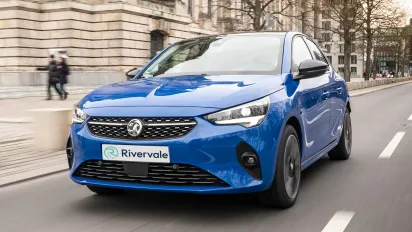
Vauxhall’s Corsa Electric has long been the UK’s best-selling small EV, but the competition is heating up. To stay ahead, this mid-life facelift brings sharper styling, an upgraded interior, and an extra powertrain option that promises even more range. But are these changes enough to keep it on top? Let’s find out.

Small electric cars are improving fast, with mainstream brands offering ranges once reserved for premium models. Vauxhall leads the way, using tech from the Peugeot e-208.
The first Corsa-e launched in 2020, rebranded to Corsa Electric in 2022, and now the 2023 facelift adds a sleeker design, a digital-focused interior, and a second powertrain option, making it a more versatile and modern compact EV.

Driving Experience
The Corsa Electric now offers two powertrains. The original 50 kWh/136 bhp setup delivers 221 miles, while the new 51 kWh/156 bhp version stretches range to 248 miles. Acceleration is brisk: 0‑62 mph in under nine seconds, hitting 30 mph in 2.1 seconds and 60 mph in 7.6 seconds.
Eco mode maximises range, Sport mode boosts performance, and simple regenerative braking adds slowdown without full one-pedal control. Extra weight aids stability, making the ride firm but well-planted and composed at higher speeds.

Design & Build
The Corsa Electric keeps its familiar shape but adds subtle updates. The new Vizor front grille with a restyled Griffin badge modernises the look. Slimmer LED headlights, now with IntelliLux matrix tech on higher trims, enhance visibility.
Side details include a swept-back roofline, bold creases, black contrast roofs, and 17‑inch alloy wheels. At the rear, spaced-out “Corsa” lettering and updated LED lights complete the fresh, modern design. The CMP platform shared with the Peugeot e‑208 ensures structural rigidity.

Interior & Technology
Inside, the Corsa Electric gets a new 10-inch Snapdragon touchscreen, now faster and with wireless Apple CarPlay and Android Auto. A 7-inch digital driver display shows crisp graphics and EV-specific info.
Updated steering wheel and sports seats improve the cabin feel, though rear space is tight. Ergonomics are strong with physical climate controls, and front storage includes a wireless charging pad and USB ports, though the glovebox is smaller and there’s no overhead sunglasses holder.

Rear Space & Boot
Space in the back is tight. Legroom and headroom are limited, and the unexpectedly high centre tunnel makes a middle-seat passenger unlikely. For short trips or occasional use, it’s fine—but adults won’t enjoy long journeys here.
The 309-litre boot is identical to the petrol version and competitive for the class. Fold the rear seats (in a 60/40 split), and capacity expands to 1,118 litres, making it a practical enough option for daily use.

Model & Range
The Corsa Electric is offered in three trims: Design, GS, and Ultimate, priced from £32,500 to £38,500. Design comes with the 136 hp powertrain, while GS and Ultimate can be upgraded to the 156 hp long-range option for about £1,400 extra.
Vauxhall also offers a 100 hp E-DCT6 hybrid, starting around £23,000, across the same trims. Compared with the Peugeot e‑208, the Corsa Electric offers similar value, better practicality, and outpaces rivals like the Mini Electric in range and space.
Other fully electric small hatchback options are limited. Larger EVs like the Kia Niro EV or Hyundai Kona Electric start from around £35,000, but these are slightly bigger vehicles.

Standard Equipment
- Even entry-level Design models are well-equipped, featuring:
- LED headlights with high beam assist
- 16-inch diamond-cut alloy wheels
- Auto headlights and wipers
- A seven-inch digital driver display
- Cruise control with an intelligent speed limiter
- A 10-inch infotainment screen with Apple CarPlay/Android Auto, Bluetooth, and a six-speaker DAB audio system
- Mid-range GS trim adds:
- A black contrast roof and A-pillars
- Dark tinted rear windows
- A rear spoiler
- 17-inch black alloy wheels with grey inserts
- All-round parking sensors
- A panoramic rear-view camera
- Wireless smartphone connectivity
- The Ultimate trim further enhances the package with:
- LED matrix headlights
- Keyless entry
- Heated front seats and steering wheel
- Alcantara upholstery
- A massaging driver’s seat with lumbar support
- A wireless phone charger
Safety & Assistance Features
- All models include:
- Autonomous Emergency Braking (operating at 3-53mph)
- Forward Collision Alert
- Lane Departure Warning with Lane Keep Assist
- Speed Sign Recognition with an intelligent speed limiter
- Driver Drowsiness Warning
- Hill Start Assist
- ISOFIX child seat fixings
- Six airbags
- Higher trims add:
- Side Blind Spot Alert (GS and Ultimate)
- Extended Traffic Sign Recognition (Ultimate)
- Adaptive Cruise Control with Lane Positioning Assist (Ultimate)
Cost of Ownership
Achieving the official WLTP range figures (221 miles for the 50kWh model and 248 miles for the 51kWh model) requires staying in Eco mode. Sport mode reduces range by around 10%.
Charging times:
- 11kW onboard charger: 0-100% in 5h50m (three-phase AC)
- 7kW home wallbox: 7h30m (full charge)
- 100kW rapid charging: 0-80% in 30 minutes
- Domestic socket: 21h45m (not recommended)
Running costs:
- Insurance groups: 27-28
- Zero road tax until 2025
- 2% Benefit-in-Kind tax
- No congestion or ULEZ charges in London
- Estimated 38% residual value after three years/36,000 miles
- Standard three-year/60,000-mile warranty (extendable to five years/100,000 miles)

Should you lease the Vauxhall Corsa Electric?
You still need to be committed to EV ownership to choose a Corsa Electric, but Vauxhall aims to make the total cost of ownership comparable to a petrol automatic over time.
This updated model is state-of-the-art for small EVs, offering strong technology and usability. While rivals like the Peugeot e-208 and DS 3 E-Tense share its platform, and others offer longer ranges, the Corsa Electric is set to reach a broader audience.


