
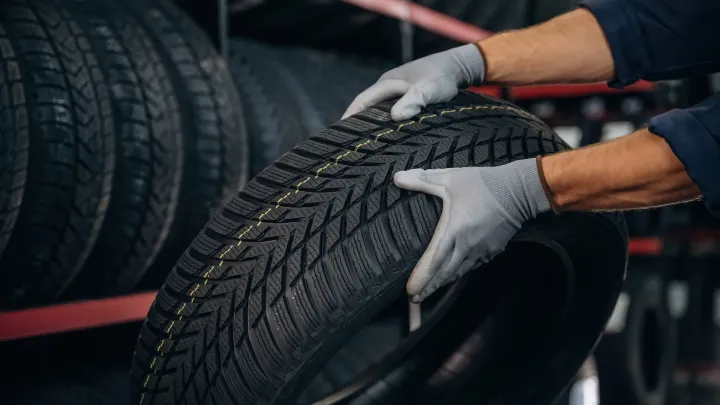
Tyre Safety Month
A quick tyre check can take less than five minutes, but it could make all the difference to your safety, fuel economy and peace of mind. This Tyre Safety Month, we’re helping you understand what to check, when to check it and when to get expert support.
Have you checked your tyres recently?
If you’ve ever wondered how to check your tyres, what tread depth means or whether your tyre pressure is right, you’re not alone. Tyre safety can feel technical, but the basics are simple and they can help keep you safer on the road. Here’s a straightforward guide to what to look for, how often to check and when to ask for help.
Why Tyre Safety Matters
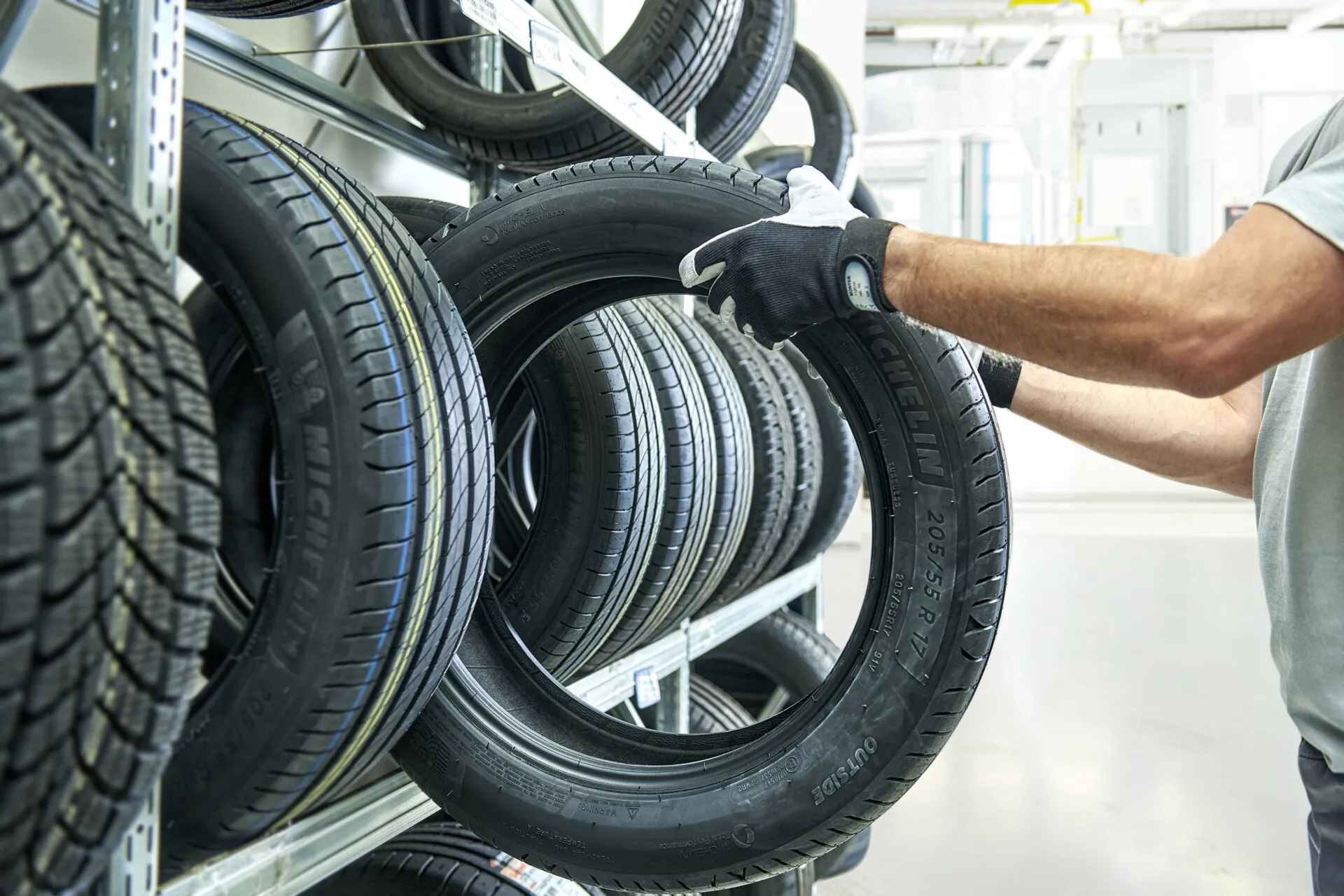
Why tyre safety matters: Your tyres are the only part of your vehicle in direct contact with the road, so their condition affects braking, handling, fuel efficiency and overall safety. Worn, underinflated or damaged tyres can:
•Increase stopping distances
•Reduce fuel efficiency
•Make your car harder to control
•Cause dangerous blowouts
In the UK, over 6 million tyres are driven with illegal tread depth every year. That puts drivers at risk of reduced safety, MOT failure and fines of up to £2,500 per tyre, plus three penalty points.
The good news is that most tyre issues are easy to spot if you know what to look for. Start with the three checks below: tread depth, pressure and visible damage.
How to Check your Tyre Tread Depth
Tread depth is one of the most important aspects of tyre safety. For cars, vans, and minibuses under 3.5 tonnes, the legal minimum tread depth is 1.6mm, but many experts recommend replacing tyres at 3mm for better grip. To test it, use the 20p coin test:
•Insert the coin into the tread groove.
•If the outer edge is hidden, your tread is likely legal.
•If you can see the rim, the tread may be too shallow.
Check across the full width of the tyre. If tread is uneven, it could point to wheel alignment or suspension issues.

Tyre Pressure: Are You Checking It Enough?
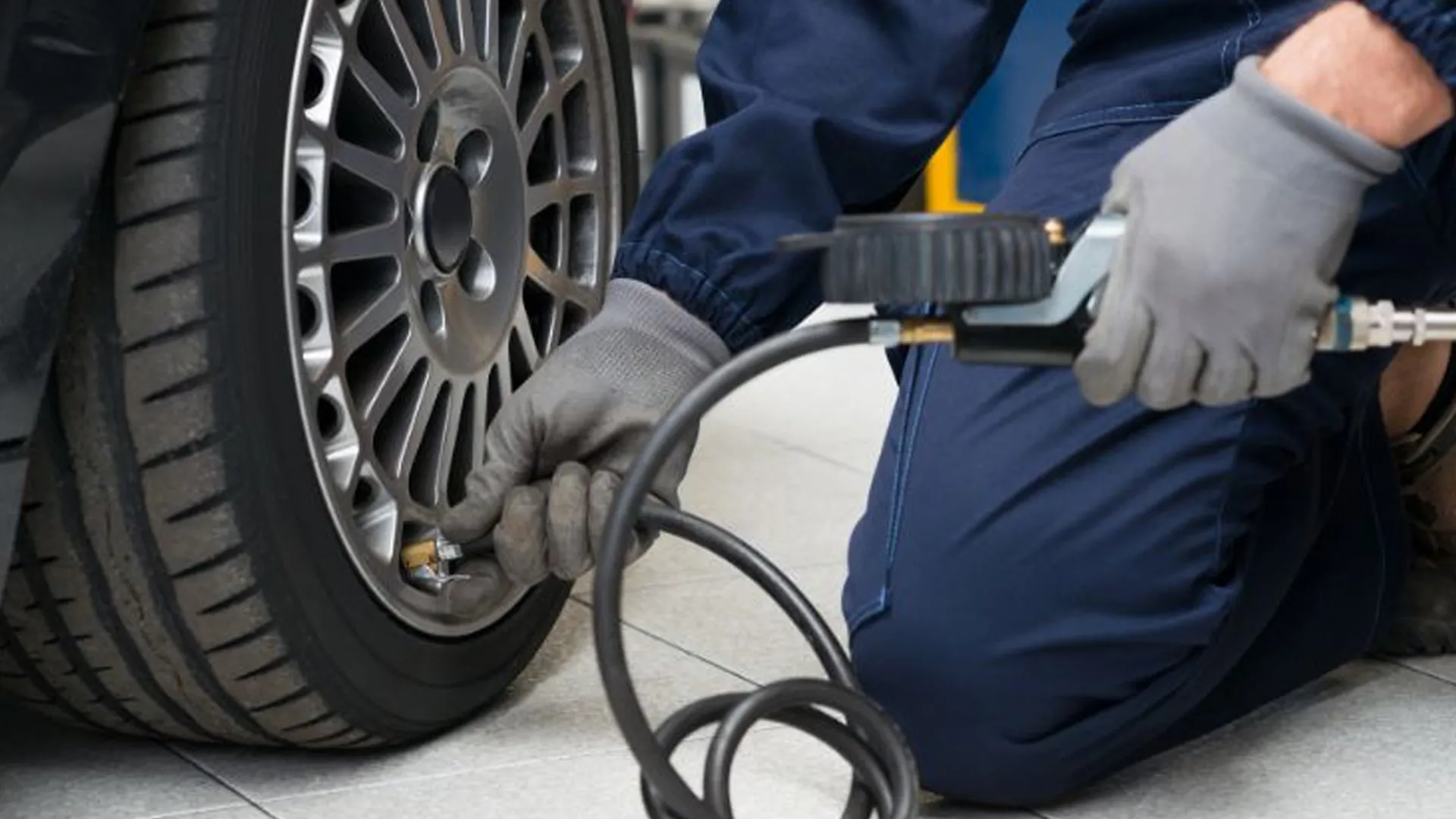
Tyre pressure: are you checking it enough? Driving on tyres with the wrong pressure can cause uneven wear, poor handling, higher fuel consumption and an increased risk of blowouts. Check your tyre pressure at least once a month and before any long journey. Here’s how:
1.Find the correct PSI – It’s in your vehicle handbook, driver’s door frame or fuel cap.
2.Use a pressure gauge – Available at petrol stations or as a handheld device.
3.Check when tyres are cold – After driving, pressure readings may be inaccurate.
4.Adjust if needed – Inflate or deflate to the recommended level.

Signs of Tyre Damage
Tyres can suffer hidden damage that isn't always obvious. Here’s what to look for during regular checks:
•Cracks, bulges or cuts: These can signal internal damage. Bulges are especially serious and mean the tyre should be replaced.
•Embedded objects: Nails or sharp debris may cause a slow leak or blowout later.
•Sidewall cracks: A sign of ageing or sun exposure. These weaken the tyre’s structure.
•Uneven wear: This could be due to poor alignment or imbalanced tyres.
Sealant Kits vs Spare Tyres
Modern cars often come with sealant kits instead of spare tyres. These can be useful for temporary fixes, but they only work if the puncture is small, in the tread and the sealant is still in date. If your vehicle has a spare wheel, check it regularly, especially if it’s a space-saver. These are designed for short distances and lower speeds only.
Rotating and Balancing Tyres
Rotating your tyres helps even out wear across all four tyres. It is generally recommended every 6,000 miles and can help reduce vibration, improve comfort and support longer tyre life.
Why Routine Tyre Checks Are Worth It
Even if you do regular visual checks, a professional service can catch issues you might miss. Tyre maintenance can:
•Improve grip and handling
•Extend tyre lifespan
•Lower fuel costs
•Prevent breakdowns and MOT failures

The Facts: UK Tyre Safety in Numbers
•2+ million MOT failures each year are due to tyres
• 201 people were killed or seriously injured in tyre-related crashes, according to the latest finalized annual data, marking a sharp 19% increase year-on-year. Total tyre-related casualties across all severities also jumped 14% to 667.
• 1 in 5 motorway breakdowns on the Strategic Road Network still involve tyre issues, accounting for over 51,500 annual incidents.
•In fatal crashes where tyres were a factor, 75% were due to poor maintenance
•UK drivers waste an estimated £1 billion annually in fuel due to underinflated tyres


