

Rivervale's Helping you Stay Safe this Summer
At Rivervale, we help drivers, businesses and families find the right lease vehicle for their needs. We also know that keeping your vehicle safe, comfortable and well prepared is just as important as choosing the right car in the first place.
This guide covers the key checks to make before a long journey, how to pack your car safely, what to keep in the vehicle, how to plan your route and what electric vehicle drivers should think about before setting off.

Quick summer road trip checklist
Before a long journey, check:
- Tyre pressure and tread depth
- Oil level
- Coolant level
- Screenwash
- Lights and indicators
- Brakes
- Wipers and windscreen
- Fuel or battery range
- Service, MOT and insurance status
- Breakdown cover
- Luggage weight and load security
- Route, rest stops and traffic updates
- EV charging stops, if driving electric
- Snacks, water and travel supplies
- Entertainment for children or passengers
A short check before you leave could help you avoid delays, reduce the risk of a breakdown and make the journey safer for everyone in the car.
1. Check your tyres before a long journey
Your tyres are one of the most important safety features on your car.
They affect braking, steering, grip, comfort and fuel economy. On long motorway journeys, they are also working harder for longer periods, especially if the car is full of people, luggage, roof boxes, bikes or camping gear.
Before setting off, check:
- Tyre pressure
- Tyre tread depth
- Cracks, cuts, bulges or uneven wear
- Objects stuck in the tyre
- The spare wheel or tyre repair kit, if supplied
You should check tyre pressures when the tyres are cold, ideally before the journey starts. The correct pressure can usually be found in the vehicle handbook, inside the fuel filler flap or on a sticker inside the driver’s door frame.
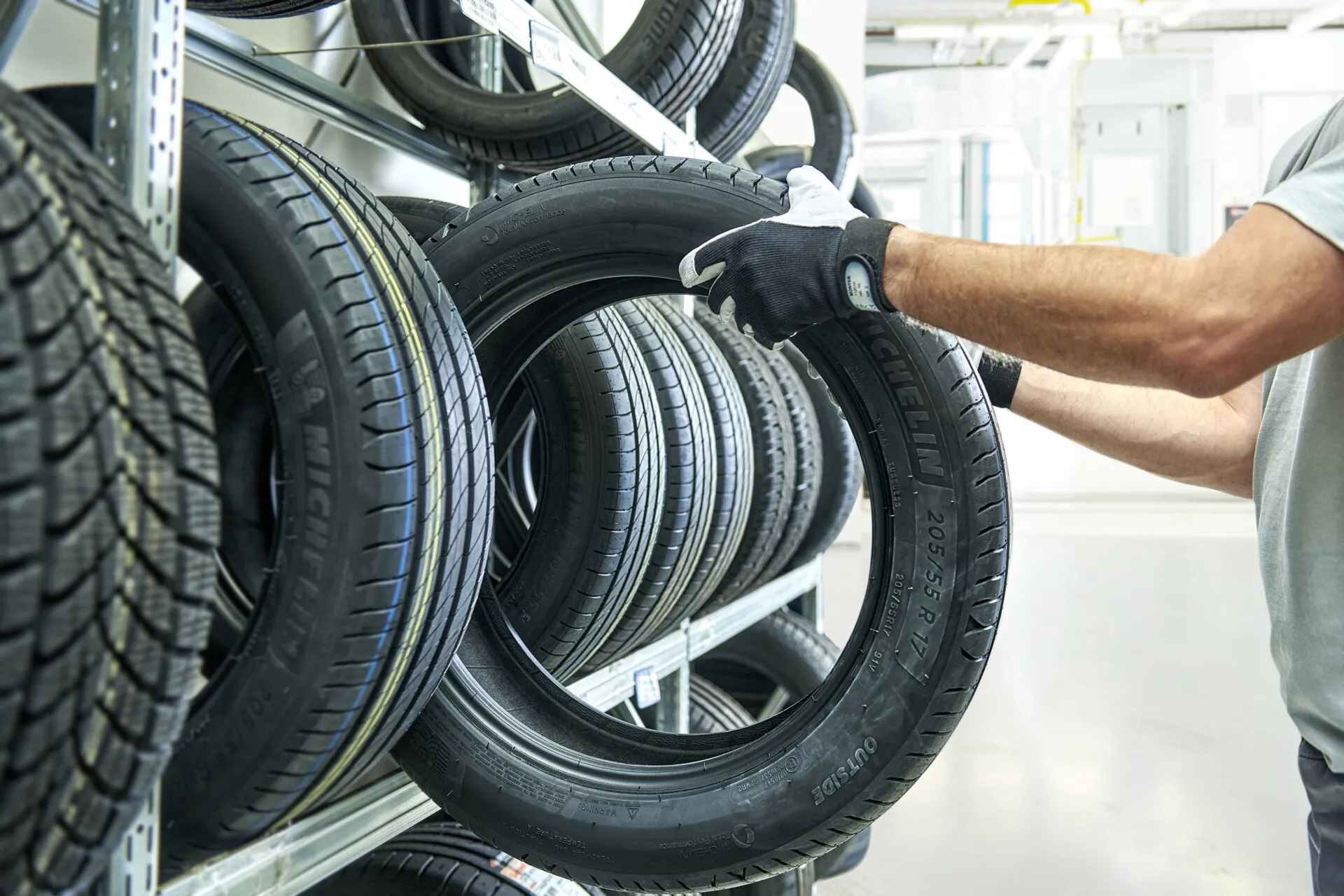
Tread Depth
Many cars have different pressure settings for normal driving and a fully loaded vehicle. If you are carrying passengers and luggage, use the recommended loaded pressure.
The legal minimum tread depth for cars in the UK is 1.6mm across the central three-quarters of the tyre and around the full circumference. For better grip in heavy rain, many drivers choose to replace tyres before they reach the legal limit.
Do not ignore tyre warning lights. If your tyre pressure monitoring system shows an alert, check the tyres properly before continuing.

2. Check your oil, coolant and screen wash
Long journeys can put extra strain on the engine, especially in hot weather or slow-moving traffic.
Before setting off, check the main fluid levels.
Engine oil
- Park on level ground and check the oil when the engine is cool, unless your vehicle handbook says otherwise.
- Use the dipstick or dashboard system, depending on the car. The oil level should sit between the minimum and maximum marks. Do not overfill it.
- Low oil can cause serious engine damage.
Coolant
- Coolant helps stop the engine from overheating.
- Check the coolant level against the markings on the expansion tank. Only do this when the engine is cool. Never remove the coolant cap when the engine is hot.
- If the coolant level is low, top it up with the correct type for your vehicle. If it keeps dropping, get the car checked by a qualified garage before travelling.
Screenwash
- Summer roads can quickly cover your windscreen in dust, insects and spray from other vehicles.
- Top up with proper screenwash, not just water. A clean windscreen helps visibility, especially when driving into low sun.
3. Test your lights, brakes and wipers
Before a long drive, make sure the basics are working.
Check:
- Headlights
- Brake lights
- Indicators
- Hazard lights
- Rear lights
- Fog lights, if needed
- Number plate lights
- Windscreen wipers
- Rear wiper, if fitted
- Windscreen washers
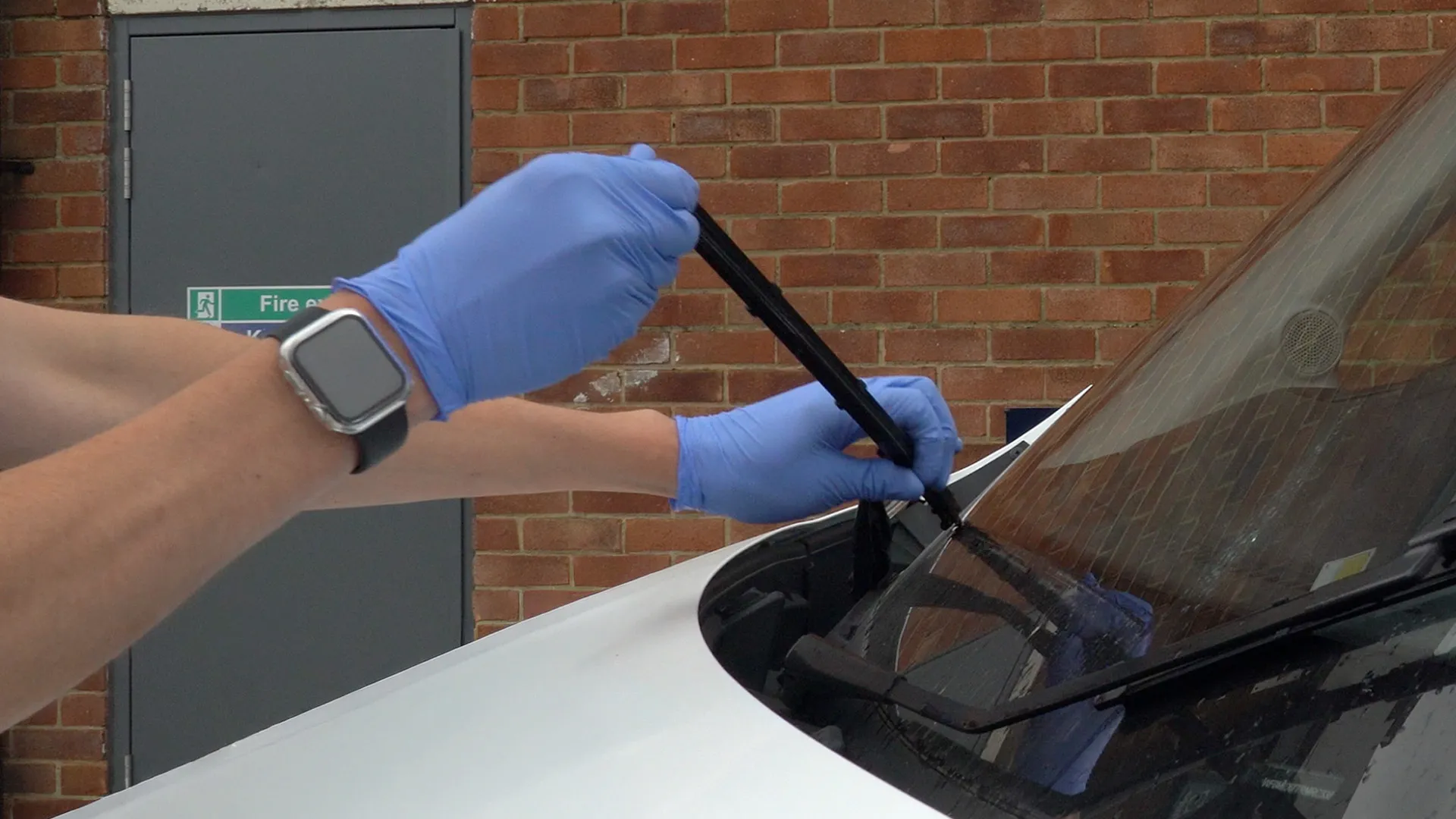
Ask someone to stand outside the car while you test the lights, or use reflections in windows or garage doors.
Your brakes should feel normal before you set off. If the pedal feels soft, the car pulls to one side, you hear grinding, or braking feels weaker than usual, do not ignore it.
Book the car into a qualified garage before driving long distance.
4. Check your MOT, tax, insurance and servicing
Before a summer road trip, make sure the vehicle is legally ready to be on the road.
Check:
- MOT status, if the vehicle needs one
- Vehicle tax
- Insurance cover
- Breakdown cover
- Servicing schedule
- Lease maintenance agreement, if applicable
If you drive a lease car, check whether your agreement includes maintenance. If it does, follow the correct booking process through your lease provider, maintenance provider or approved repairer.
If warning lights are showing, do not assume they can wait until after the trip. Some lights are advisory, but others mean you should stop or seek help straight away.
Check your vehicle handbook if you are unsure.

5. Do not overload the car
A car packed for a family holiday can quickly become heavier than expected.
Passengers, suitcases, pushchairs, bikes, roof boxes, cool boxes, camping equipment and pets all add weight.
Overloading can affect:
- Braking distance
- Steering
- Acceleration
- Fuel economy
- EV range
- Suspension
- Tyre wear
- Vehicle stability
Check the maximum permitted weight for your vehicle in the handbook or on the vehicle identification plate.
If you are towing, carrying bikes or using a roof box, check the limits for the car, tow bar, roof bars and accessories. The lowest limit is the one that matters.
6. Pack your car safely
Loose items can become dangerous in a sudden stop.
Pack the boot carefully and keep the passenger area clear.
Use these simple rules:
- Put heavy items low down and as far forward as possible
- Keep luggage below the height of the rear seats where possible
- Do not block the driver’s view
- Keep the parcel shelf clear
- Secure loose items
- Use luggage nets, straps or boot organisers where suitable
- Keep important items easy to reach
- Make sure pets are properly restrained
- Do not place hard or heavy items loose on the back seat
If you drive an estate car, SUV, van or people carrier, avoid stacking luggage high unless you have a proper load guard or luggage net.

7. Plan your route before you leave
Do not rely only on your sat nav once you are already moving.
Before a long journey, check:
- Live traffic
- Planned roadworks
- Weather conditions
- Motorway closures
- Diversions
- Rest stops
- Fuel stations
- EV charging stops
- Parking at your destination
For major routes in England, National Highways provides live traffic and roadworks information. For Scotland, use Traffic Scotland. For Wales, use Traffic Wales. For Northern Ireland, use TrafficWatchNI.
It is also worth checking your route the night before and again before you leave.
Give yourself more time than the sat nav suggests, especially during school holidays, bank holidays and Friday afternoons.
8. Plan proper rest breaks
Tiredness is one of the biggest risks on long journeys.
Plan breaks before you need them. A good rule is to stop for at least 15 minutes every two hours, or sooner if you feel tired.
Use breaks to:
- Stretch your legs
- Get fresh air
- Drink water
- Use the toilet
- Let children or pets have a break
- Swap drivers, if possible
- Check roof boxes, bike racks or towing equipment
Avoid starting a long drive when you are already tired. Try not to drive through the night unless it is unavoidable.

Signs of tiredness include:
- Yawning
- Heavy eyes
- Drifting in your lane
- Missing signs
- Slower reactions
- Trouble remembering the last few miles
- Irritability
- Restlessness
If you feel sleepy, stop somewhere safe, drink some water and stretch your legs. Do not stop on the hard shoulder unless it is an emergency.

9. Keep useful supplies in the car
Useful items include:
|
|
If travelling with children, carry extra drinks, snacks, entertainment and spare clothes.
If travelling with pets, carry water, a bowl, lead, waste bags and anything they need to stay comfortable.
Never leave children, vulnerable passengers or pets in a parked car in warm weather.
10. Keep passengers entertained on long journeys
A long summer drive is easier when everyone in the car is comfortable, calm and occupied.
This is especially true when travelling with children. Boredom can quickly turn into restlessness, which can make the journey more stressful for the driver.
Before you set off, think about simple ways to keep passengers entertained.
Good options include:
- Car games
- Downloaded films or TV shows
- Audiobooks
- Podcasts
- Music playlists
- Colouring books
- Puzzle books
- Travel-friendly toys
- Snacks and drinks
- Comfort items for younger children

Ideas For Entertaining
Traditional car games are still a great way to pass the time without relying on screens. Games such as car bingo, 20 questions, the number plate game and word association can help keep children engaged on longer journeys.
For more ideas, The AA has a useful guide to car games for long journeys >
If you are using a tablet to keep children entertained, consider a secure iPad or tablet headrest mount for rear-seat passengers. This can help keep the device steady, easier to watch and less likely to be dropped.
We found some good value iPad headrest mounts on amazon start from around £15 >
Make sure any tablet, phone or screen is set up before you start driving. Devices should be securely mounted, cables should not trail across the cabin, and the screen should not distract the driver or block visibility.
It is also worth downloading films, shows or games before leaving home, especially if you are travelling through rural areas with poor signal.

11. Make sure children are safely seated
Entertainment is useful, but safety comes first.
Children must use the correct car seat, booster seat or seatbelt for their age, height and weight. Before setting off, check that child seats are fitted correctly and that seatbelts are not twisted, loose or sitting across the wrong part of the body.
Also check:
- Headrests are adjusted properly
- Seatbelts are fastened before moving
- Children cannot easily remove their belts
- Doors and windows are child locked where needed
- Loose toys or tablets are not left unsecured
If you are using a tablet mount, make sure it is securely attached to the headrest and suitable for the size and weight of the device.

12. Think about summer heat
Hot weather can make driving more tiring.
Before setting off:
- Ventilate the car
- Set the air conditioning to a comfortable temperature
- Keep water within reach
- Wear suitable sunglasses
- Avoid heavy meals before driving
- Keep the windscreen clean inside and out
- Watch for glare in the early morning and evening
If the car has been parked in direct sun, open the doors briefly before getting in to let hot air escape.
Do not drive in flip flops or footwear that could slip off or get caught under the pedals.
13. Driving an electric car long distance in summer
Electric cars are well suited to long journeys, but planning makes a big difference.
Before leaving, check:
- Starting battery percentage
- Realistic motorway range
- Charger locations
- Charger speeds
- Connector type
- Live charger availability
- Backup charging stops
- Payment methods
- Whether your destination has charging

Use an EV route planner such as Zapmap, your vehicle’s built-in navigation, Google Maps, Apple Maps or the charging network’s own app.
Try not to rely on one charger at the very edge of your range. Choose a stop with several chargers where possible, and have a backup nearby.
Fast charging is usually quickest when the battery is lower, often between around 10% and 80%, depending on the vehicle. Charging beyond 80% can take much longer, so shorter charging stops can sometimes be faster than one long stop.
A full car, roof box, high speeds, air conditioning and hilly routes can all reduce EV range. Build in a buffer rather than planning to arrive with almost no charge.
14. Driving a petrol, diesel or hybrid car long distance
If you drive a petrol, diesel or hybrid car, plan fuel stops before the warning light comes on.
This is especially useful if you are travelling through rural areas, late at night or on bank holidays.
Before setting off:
- Fill up if the tank is low
- Check AdBlue level if your diesel vehicle uses it
- Keep an eye on fuel range
- Do not assume every service station will be convenient or open
- Plan fuel stops around rest breaks
Driving smoothly can improve fuel economy. Harsh acceleration, heavy braking, speeding and unnecessary weight all use more fuel.

15. Extra checks if towing a caravan or trailer
Towing needs extra care, especially on motorways and rural roads.
Before setting off, check:
- Your driving licence allows you to tow the trailer or caravan
- The vehicle can legally tow the loaded weight
- The tow bar is suitable and secure
- Tyres are legal and correctly inflated
- Trailer lights work
- Breakaway cable or secondary coupling is attached correctly
- Load is balanced and secure
- Mirrors give a clear view behind
- Number plate is visible
- Nose weight is within limits
Place heavy items low down and close to the axle where possible.
Allow more space for braking and overtaking. Avoid sudden steering movements, especially in crosswinds or when being passed by larger vehicles.
16. What to do if something feels wrong while driving
If you notice unusual noises, vibrations, warning lights, smoke, loss of power, overheating or steering problems, do not keep driving and hope it clears.
Find a safe place to stop.
On a motorway, leave at the next exit or stop at a service area if possible. If you cannot leave the motorway, follow official safety advice and use an emergency area where available.
Do not attempt repairs in a dangerous location.
Call your breakdown provider and wait in a safe place away from traffic.

17. Final pre-departure checklist
Before you pull away, ask yourself:
- Are the tyres properly inflated?
- Is there enough tread?
- Are all lights working?
- Are oil, coolant and screenwash levels OK?
- Is the windscreen clean?
- Are mirrors adjusted?
- Is the luggage secure?
- Are passengers wearing seatbelts?
- Are child seats fitted correctly?
- Are pets restrained safely?
- Is the route planned?
- Are rest stops planned?
- Is there enough fuel or charge?
- Do you have water and basic supplies?
- Is your phone charged?
- Have tablets or entertainment been set up safely?
- Do you know who to call if you break down?
18. Want to travel abroad?
When driving abroad, you’ll need to prove (if challenged) that the vehicle is yours. To do so, you’ll need a vehicle log book (V5C). However, if your vehicle is leased, the vehicle is legally owned by the finance company, which means they will keep hold of the V5 document. Before you travel abroad, you’ll need to request a VE103 “Vehicle on Hire” form from your finance company.
Need a car that suits longer journeys?
The right vehicle can make long-distance driving easier, safer and more comfortable.
Whether you need a family SUV, efficient hybrid, electric car, business lease vehicle or company car through salary sacrifice, Rivervale can help you compare options and find a vehicle that suits your mileage, budget and lifestyle.
Explore car leasing with Rivervale and find your next long-distance companion.

FAQs
What should I check on my car before a long journey?
Before a long journey, check your tyres, oil, coolant, screenwash, lights, brakes, wipers, MOT status, insurance, fuel or battery range and breakdown cover. You should also make sure luggage is packed securely and your route is planned.
How often should I stop when driving long distance?
A sensible guide is to stop for at least 15 minutes every two hours. Stop sooner if you feel tired, distracted or uncomfortable.
What tyre pressure should I use for a fully loaded car?
Use the recommended tyre pressure for a fully loaded vehicle. This can usually be found in the vehicle handbook, inside the fuel filler flap or on a sticker inside the driver’s door frame.
How much tyre tread do I need in the UK?
For cars in the UK, the legal minimum tread depth is 1.6mm across the central three-quarters of the tyre and around the full circumference.
How should I pack a car for a summer holiday?
Put heavy items low down and as far forward as possible. Keep luggage below the rear seat height where possible, secure loose items and make sure the driver’s view is not blocked.
How do I plan an EV road trip?
Start with a good battery level, check your realistic motorway range, plan charging stops in advance and choose locations with more than one charger where possible. Keep a backup charging stop in mind.
How can I keep children entertained on a long car journey?
Try a mix of car games, downloaded films, audiobooks, music, puzzles, snacks and regular breaks. If using a tablet, secure it properly with a suitable headrest mount and set it up before driving.


